

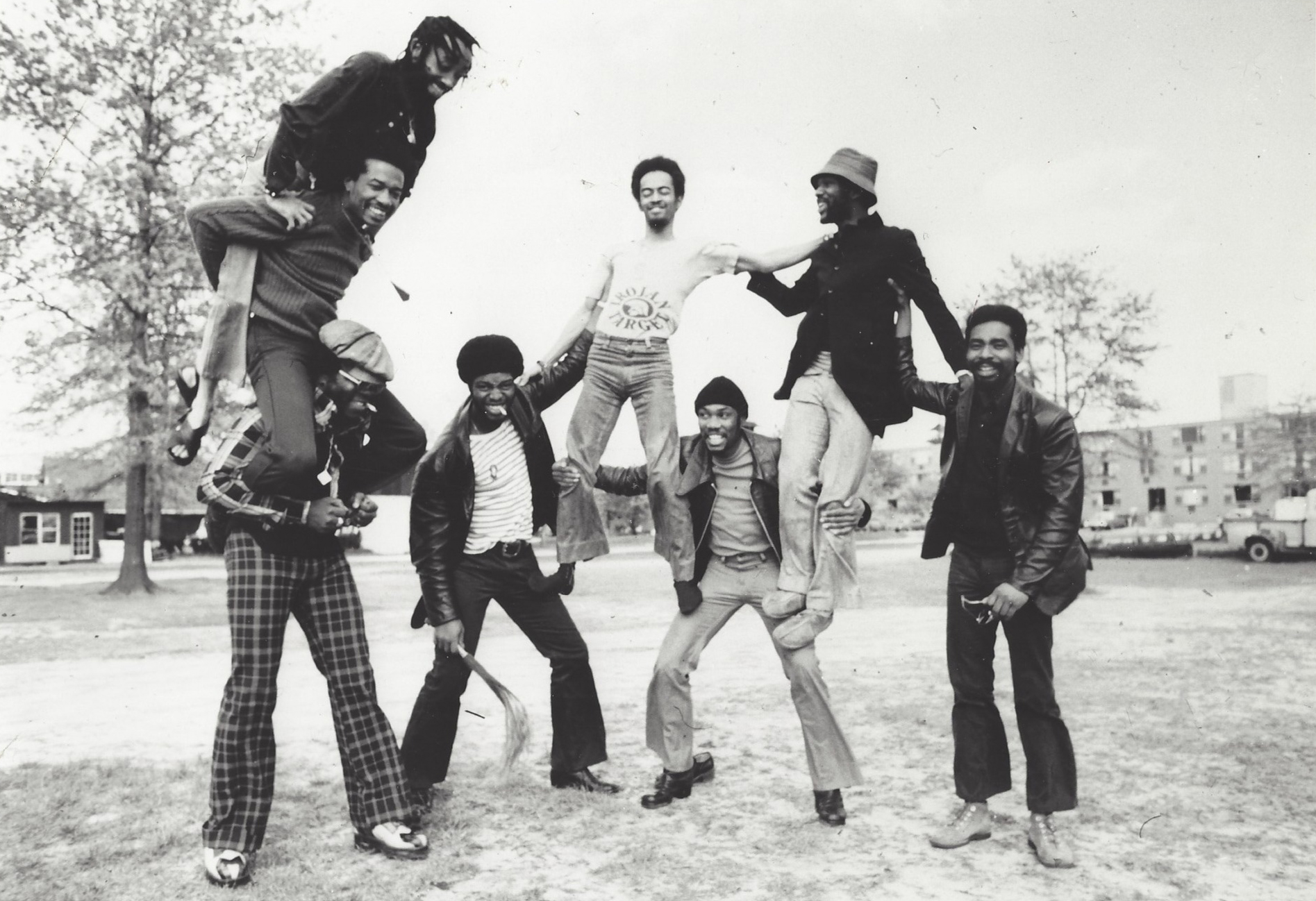
It was both a huge honour and a weighty responsibility to be asked to write about Cymande, their music and their cultural significance, for the booklet of the 2024 BFI Blu-ray of the acclaimed Tim Mackenzie-Smith documentary, ‘Getting It Back – The Story Of Cymande’.
Apart from outlining Cymande’s history, I also wanted to reflect on the musical landscape for black artists in Britain during the late-‘60s/early-70s, highlighting pioneering groups like The Equals and Osibisa, who both enjoyed commercial success against the odds, and perhaps giving some clues as to why Cymande fell through the cracks, as far as the UK was concerned, despite achieving US success.
Cymande appear to have been constantly touring throughout recent times, following a four decade hiatus -the world very much their oyster now. They released a new album this year, ‘Renascence’, but sadly it’s their first without producer, John Schroeder, who died in 2017, the year after he’d reunited with the group for their comeback album, ‘A Simple Act Of Faith’.
Throughout the ‘60s and ‘70s, black British recordings were generally regarded as the poor relations to authentic US soul and funk, or Jamaican ska and reggae. Just to make a record, groups generally had to dampen down their sound to fit the pop sensibilities of the time, often working with record labels and producers with a completely different agenda to their own original intentions. However, despite the indifference and the restraints, two British groups featuring both black and white members, would top the UK chart in the late-‘60s.
Released by Pye Records in 1967, The Foundations broke the mould with ‘Baby, Now That I’ve Found You’, which totally took its cue from Detroit’s Motown sound, then seriously stacking up the hits here. The Americans loved it too, the track just missing the US top 10. Despite its success, it was nevertheless a facsimile, albeit a convincing one, of what was happening across the Atlantic – the song crafted by British pop songwriters, Tony Macaulay and John MacLeod.

The following year, The Equals, led by a youthful Eddy Grant, unleashed a rousing pop-rock anthem in ‘Baby, Come Back’, which in this case was written by Guyana-born Grant, rather than composers from outside of the band. Released on the President label, owned by Edward Kassner, who also ran Seville and Jay Boy, it built upon the achievement of The Foundations.
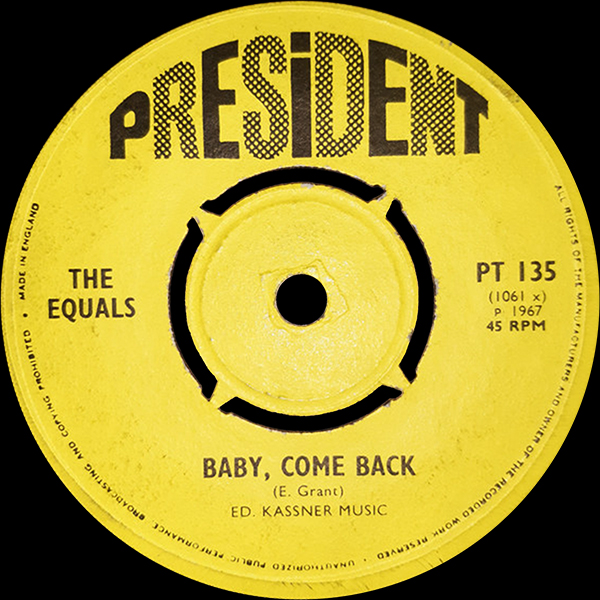
Their UK breakthrough came via their late-’67 debut LP, ‘Unequalled Equals’, which impressively climbed to #10 on the album chart. Then, in early ’68, their single, ‘I Get So Excited’, just missed the top 40. ‘Baby, Come Back’, having been originally issued in ‘67 as the B-side to ‘Hold Me Closer’, had passed largely unnoticed in Britian, but when European DJs flipped the track it went to #1 in Germany and the Netherlands, prompting the UK re-release and the single’s belated success in their homeland.
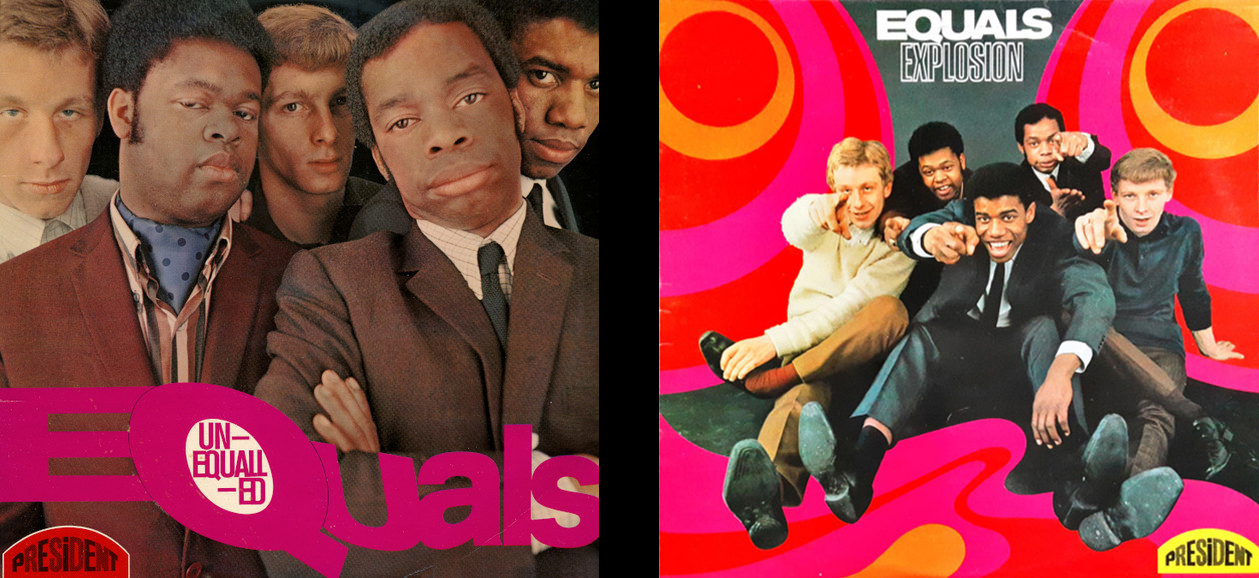
Whereas The Foundations were very much US soul influenced, The Equals also drew from ska and rock, their sound and message much more aligned to the black British experience. Their follow-up album, ‘Equals Explosion’, which stopped just shy of the top 30 in 1968, featured ‘Police On My Back’, a sentiment most young blacks could relate to – it was released as a single in some European countries, but not the UK (it was later covered by The Clash).
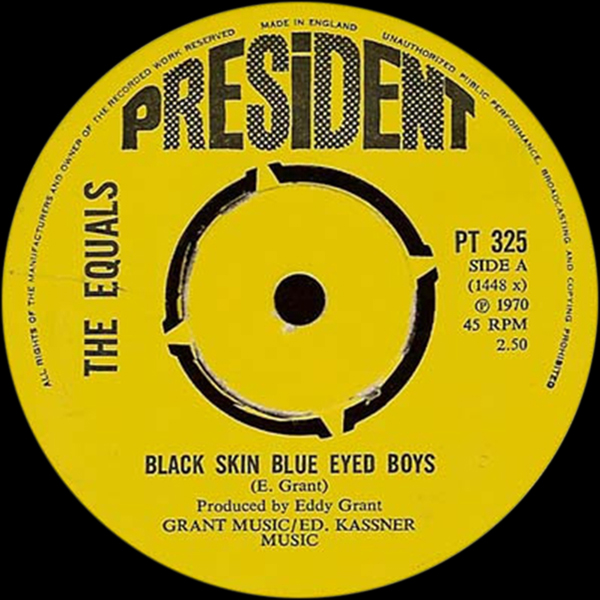
Having returned to the top 10 in 1969, with ‘Viva Bobby Joe’, The Equals’ final chart flourish came via the funked-up ‘Black Skin Blue Eyed Boys’ in 1970 – its anti-war stance set against the background of Vietnam. In his revealing 2013 book, ‘Sounds Like London: 100 Years of Black Music in the Capital’, Lloyd Bradley described the song as, “The first recognisably black British statement – a song that saw itself as being British in both words and music, and announced that London’s indigenous black soul music was entirely self-sufficient”.
Yet, as the record was climbing the chart, top 10 bound, Grant suffered a heart attack, and the band was shelved while he recuperated and set up his influential Coach House studios. He would, of course, become a household name in the ‘80s, following a string of solo hits.
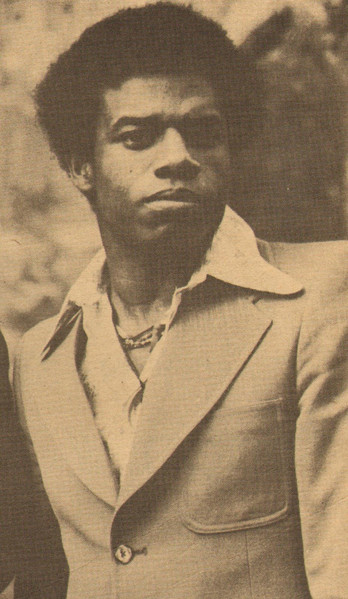 Eddy Grant
Whilst the likes of Hot Chocolate, Blue Mink and Greyhound provided the commercial face of black music in this country, elsewhere, a number of British bands who consisted of, or featured black members, including The Ferris Wheel, Black Velvet, The Sundae Times, One, Demon Fuzz, Gass, Noir and Assagai had also cut records, albeit without commercial success. That said, it was a crucial era of expression/experimentation for British black musicians.
With the Musicians Union restrictions, which limited opportunities for US jazz players to work in the UK, providing openings for instrumentalists from the British Commonwealth to plug the gap during the ‘50s and ‘60, many of the best musicians were immigrants from Africa or the West Indies.
US black music became a major commercial force in the UK during the ‘60s. The Tamla Motown label, combining releases from Motown and its US subsidiary imprints under one banner, launched in 1965 and became a cornerstone of the musical landscape, along with the output of other soul strongholds like Stax and Atlantic. Originally championed by the mods, soul music went mainstream from the mid-‘60s, soon to be joined in the charts by an increasing number of reggae releases from Jamaica, many of which appeared on the Trojan label here.
 The British obsession with black American music, particularly the blues and rhythm & blues, led to a demand for home-based black singers and musicians, performing and recording jazz, rhythm & blues and ska away from the mainstream spotlight. Then, in 1966, a soon to be superstar, then a Seattle-born unknown, turned up in London, where he formed a band and set about forging the identity of rock music, which, although generally associated with white musicians in retrospect, very much had its roots in the electric blues and R&B/rock & roll.
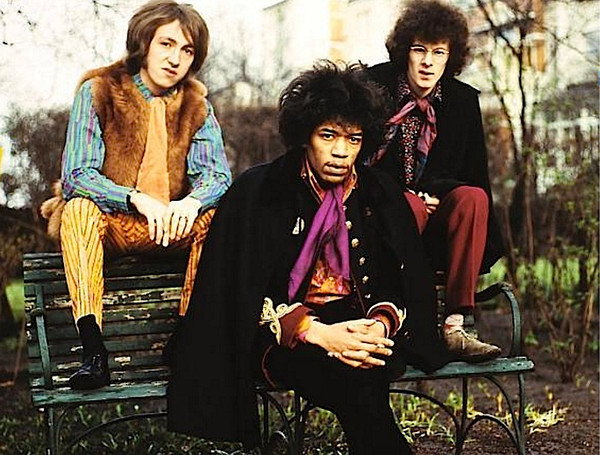 The Jimi Hendrix Experience
The Jimi Hendrix Experience broke out of the UK, their debut single, ‘Hey Joe’, going top 10 in early ‘67, but failing to chart in the US following its release there a few months later. The States would soon catch up however, with platinum sales resulting and a whole generation inspired.
The fact that the rock era’s main icon was a black man, and with the new ‘progressive’ category an undefined territory, a loophole opened up for British-based black musicians, enabling them to express themselves with a newfound freedom, bringing elements of jazz, the blues and soul/funk into play, as well as African and Caribbean flavours.
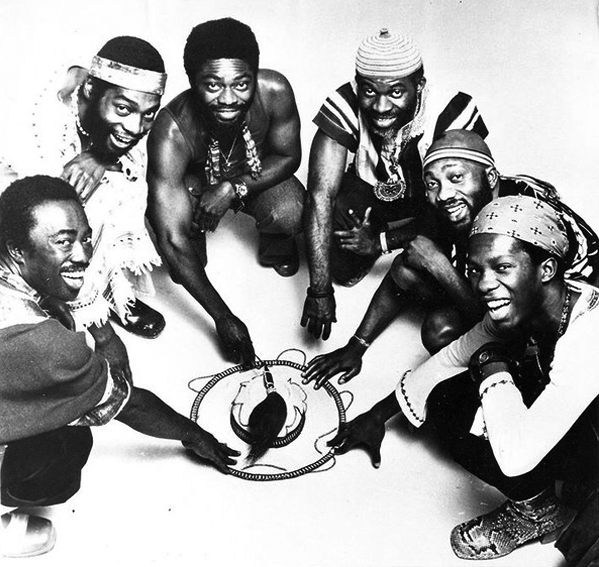 Osibisa
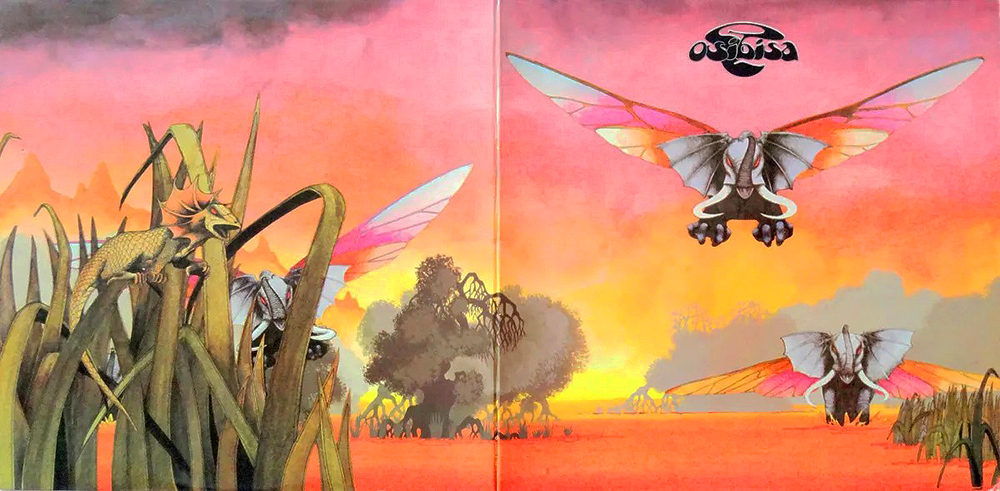
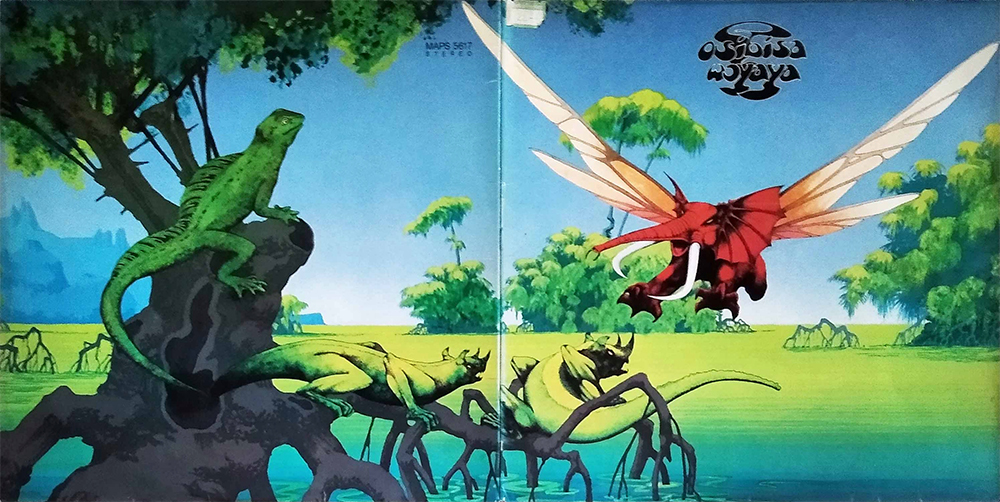
I always regard Osibisa, another band to emerge from London, as Cymande’s closest contemporaries. They were the exception to the rule, their afro-rock fusion catching the moment, with their self-titled 1971 debut, and the follow-up, ‘71’s ‘Woyaya’, complete with their eye-catching Roger Dean sleeve artwork , both reaching #11 in the UK, before breaching the US top 75, providing a crucial juncture for ‘world music’.
Amidst the fallout from Enoch Powell’s infamous ‘rivers of blood’ diatribe in 1968, the black British communities felt under siege. Racialism, as it was referred to then, with its calls for the repatriation of the immigrant populace, provided the backdrop, but so too did the example of the Black Power movement in the US and the growth of Rastafari in Jamaica.
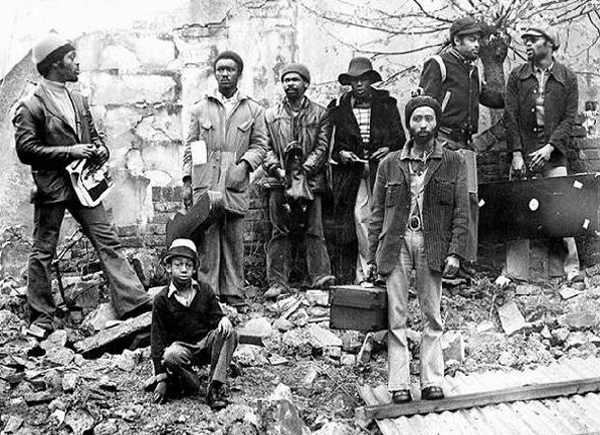
This is evident in the music of Cymande, but, unlike Osibisa, the timing was out – at least as far as the UK was concerned, their releases passing by largely unheralded. But the music business throws up strange scenarios, and while the British slept on Cymande, the American’s embraced them. This materialised from their relationship with producer, John Schroeder.
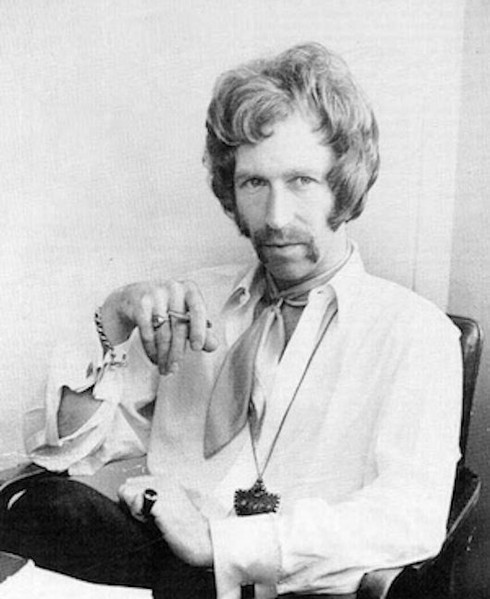 John Schroeder
Schroeder’s background was in A&R. He’d also found success as a songwriter in the early ‘60s, with a couple of #1s for Helen Shapiro. He was part of the instrumental pop combo, Sounds Orchestral, who had a top 5 hit in 1965 with their cover of ‘Cast Your Fate To The Wind’, and he produced the first Status Quo hit, ‘Pictures Of Matchstick Men’, in 1968, plus three further top 20 singles for the group.
He also had some previous history with black music, licensing early Motown releases in the pre-Tamla Motown days, when he was heading up A&R at Oriole Records. He moved to Pye Records in the mid-‘60s, producing artists including The Ferris Wheel, plus leading London-based R&B outfits, Geno Washington & The Ram Jam Band and Jimmy James & The Vagabonds – James born in Jamaica, Washington in the USA. He’d also recorded an album of soul covers, ‘Working In The Soul Mine’ as John Schroeder And Orchestra in 1966.

In 1969, Pye, along with US company GRT Records, launched Janus Records in America – much of its early catalogue being Pye’s UK output. Pye’s involvement with Janus ceased in 1971, but when Schroeder launched his own Alaska label, the following year, his US connection was already in place.
In the sleeve notes to Cymande’s self-titled debut LP, Schroeder dated his first encounter with the band as October 18th 1971, when he stumbled across them rehearsing in a Soho basement (although Steve Scipio recalls this as being in Brixton, Schroeder brought along by the band’s booking agent). Hooked in, he offered his services, and his production for Cymande is perfect, as it’s clear that the band had a vision of how they wanted to sound, and he facilitated, rather than interfered with this, recognising the sincerity of their music, largely courtesy of the group’s main songwriters and founder members, Patrick Patterson and Steve Scipio (Scipio also providing the distinctive sleeve artwork). Schroeder was initially distrusted by the band’s families and friends, protective over their authenticity, but he understood that this was a sound that should not/could not be diluted for commercial tastes.
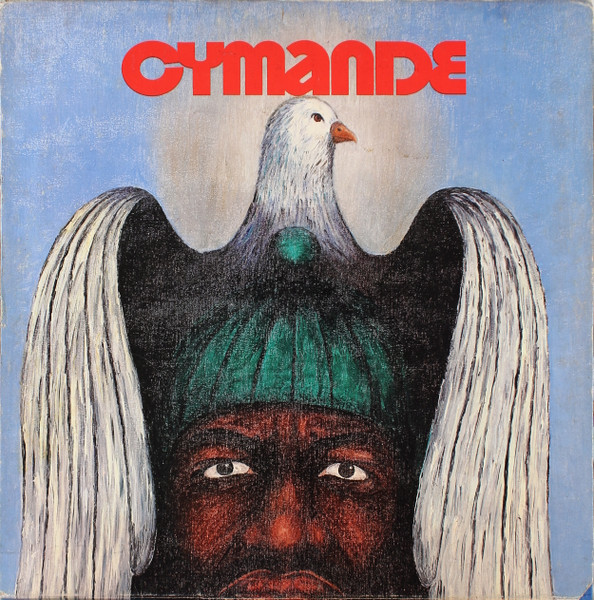
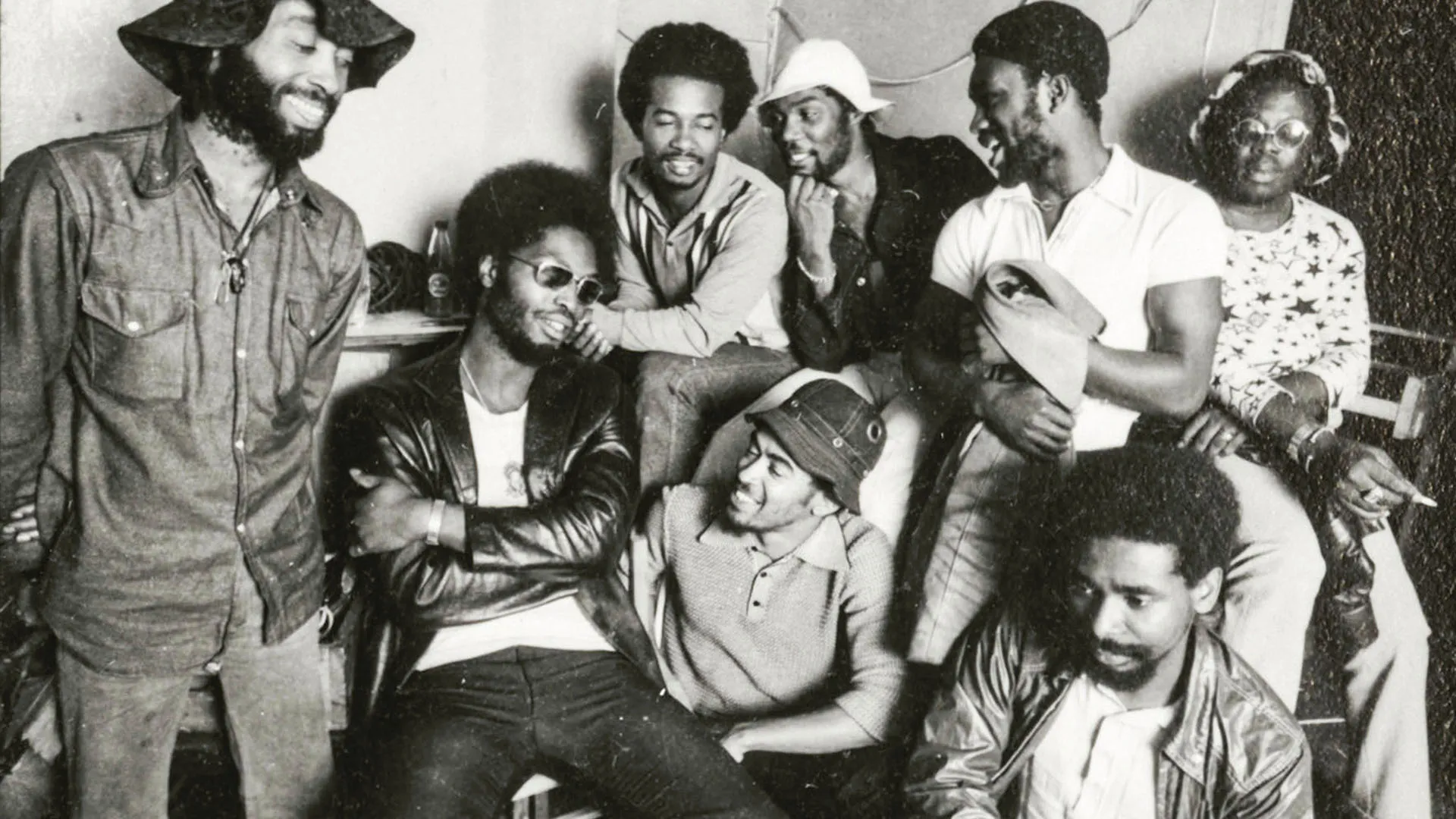
Attending the MIDEM Music Conference in Cannes the following year, Schroeder passed on a cassette of Cymande to a friend he knew from his time at Pye, Marvin Schlactner, the label president at Janus. Schlactner loved the band, and both the album and a single, ‘The Message’ were released Stateside in 1972, Alaska’s UK release appearing a few months later, in early-’73.
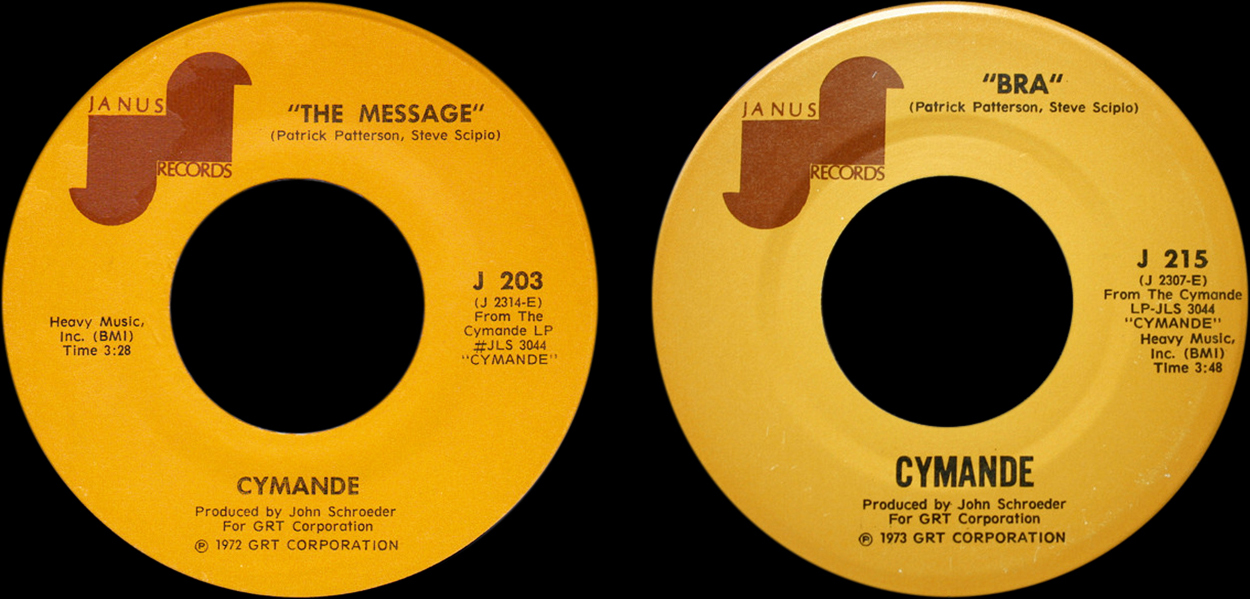
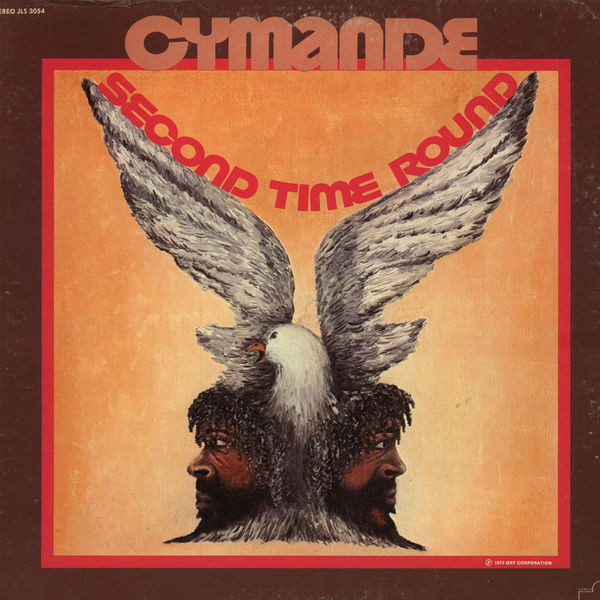
1973 was a whirlwind for Cymande. Remarkably, ‘The Message’ made it into the US top 50, whilst reaching #22 on the R&B chart. The album, follow-up single, ‘Bra’, and Cymande’s next LP, ‘Second Time Around’, saw further R&B success. ‘The Message’ would feature on ‘Soul Train’, they’d tour the US with Al Green, one of the leading soul artists of the time, playing to big stadium crowds, and they’d support Jerry Butler for a week at Harlem’s hallowed Apollo, whilst stopping off in Chicago to record some new tracks at the legendary Chess studios.
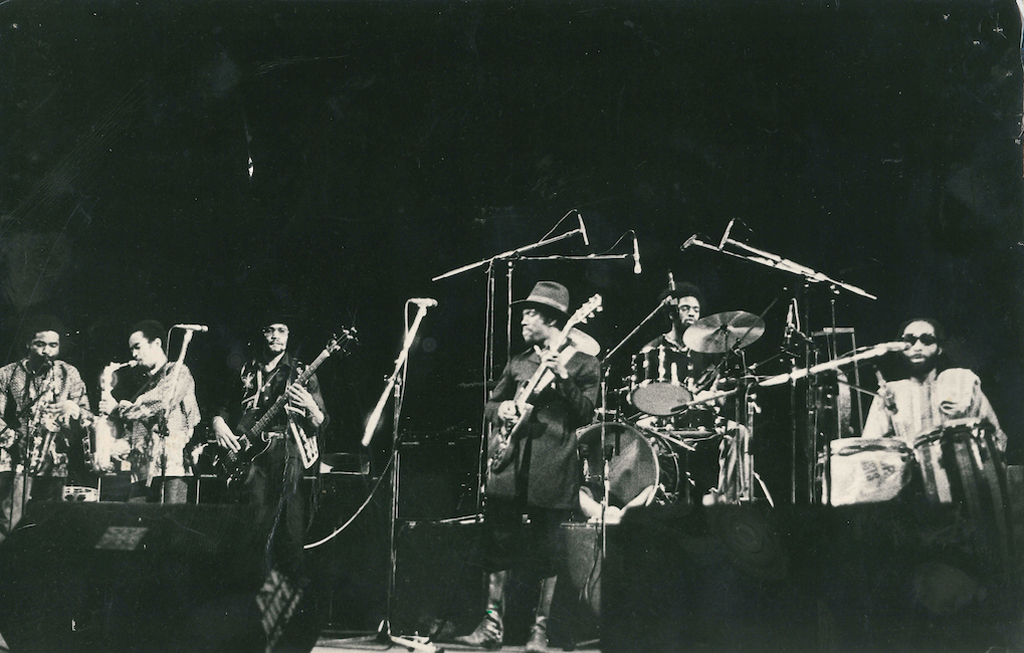
Back home in the UK, the comedown was huge. Schroeder’s small Alaska label had distribution issues, and Cymande, in total contrast to the US, had sold poorly. Blues & Soul editor, John Abbey, wrote about them in March ’73, just as things had blown-up in the States, and had confidently predicted that Britain would soon follow suit, but it didn’t. They remained largely unknown here, and, as Abbey stated, even failed to make a significant impact within the black community at the time. “Until now their main acceptance has been on the college circuit over here and they readily admit that the European audiences have been more responsive than the black clubs where they should be sensational. The main and basic reason is that the patrons of West Indian heritage expect and demand to hear reggae, and they can’t quite understand why an eight piece black band would want to play anything else”.
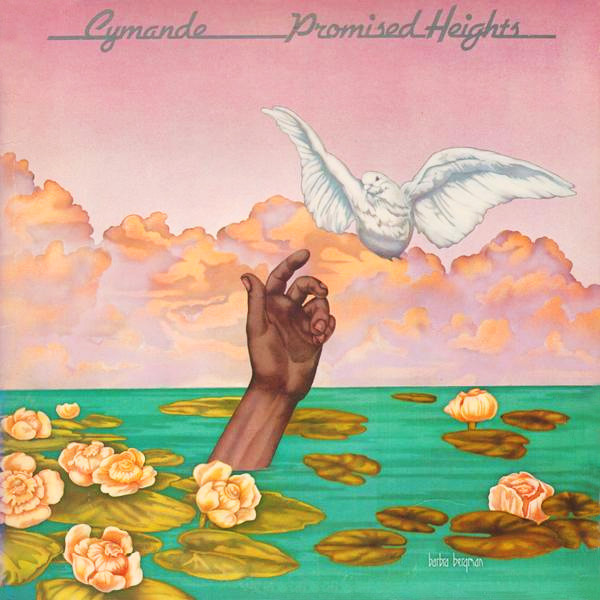
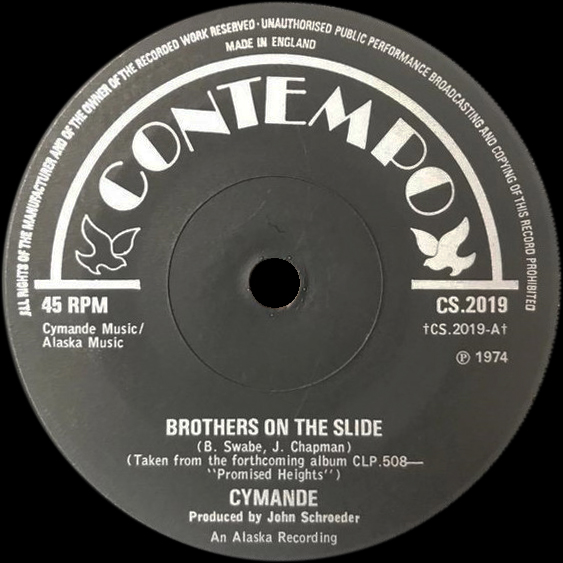
A third album, ‘Promised Heights’, followed in 1974, and, much more in keeping with the band’s music, was licensed by Alaska to Contempo in the UK, the label affiliated to Blues & Soul, who also issued ‘Brothers On The Slide’ as a single. But even this failed to ignite their UK career – indifference the byword. It also, unlike the previous albums, failed to make any impact in the States – the momentum had stalled and, disillusioned and frustrated, the band went on the backburner. Patrick Patterson told New York magazine, Wax Poetics, in 2021, “Truth of the matter is, we took a sabbatical. We had done two tours of America, and when we got back to the UK we didn’t feel the appreciation was what we got in the States… We were disappointed, but also wanted to explore other things”.
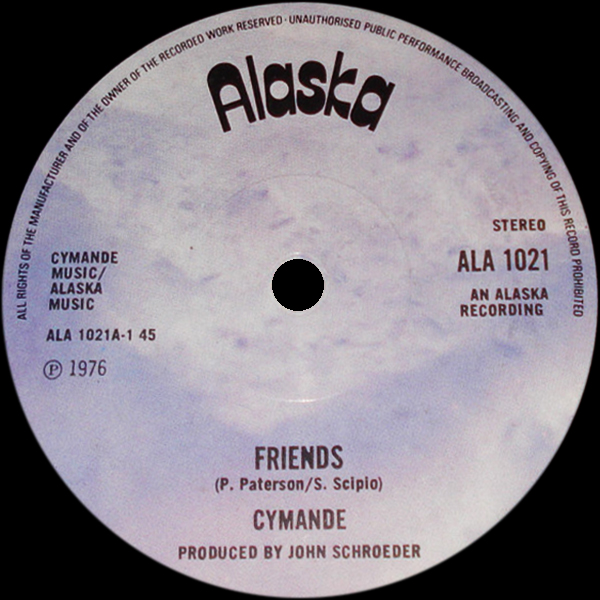
Alaska put out an unreleased gem, ‘Friends’, in 1976, with ‘One More’, from the first album, on the flip, but, par for the course, the single passed by pretty much unnoticed and, with that, their recording career came to a close (for now).
My first encounter with Cymande’s music was in 1974. I was 14 at that point, and already fairly well versed in soul and funk, at least the British releases, import buying yet to come, as was reading Blues & Soul. I bought mainly singles/45s, but saved up my pennies for selected LPs. Around this time, TV advertised albums, on labels like K-Tel and Ronco, were popular, and perhaps the best-remembered of these adverts was for a K-Tel release that jumped straight out at me – 1974’s soul music compilation, ‘Super Bad’.
A cult character was created to pitch the album – Mr Superbad. Stepping into the role was Freddie Mack, a former South Carolina boxer, who’d relocated to the UK in the ‘60s and reinvented himself as an R&B singer. Later in ’74, he’d feature on Ultrafunk’s Contempo release, ‘Kung Fu Man’, issued just after ‘Brothers On The Slide’, but receiving far greater appreciation from the soul fraternity.

‘Super Bad’ was a soul compilation, packed solid with twenty-four quality tracks, a number of which had been UK hits, and by artists including the Isley Brothers, Sly & The Family Stone, The O’Jays, Barry White, Marvin Gaye, Stevie Wonder, Gladys Knight & The Pips, Harold Melvin & The Bluenotes and Curtis Mayfield.
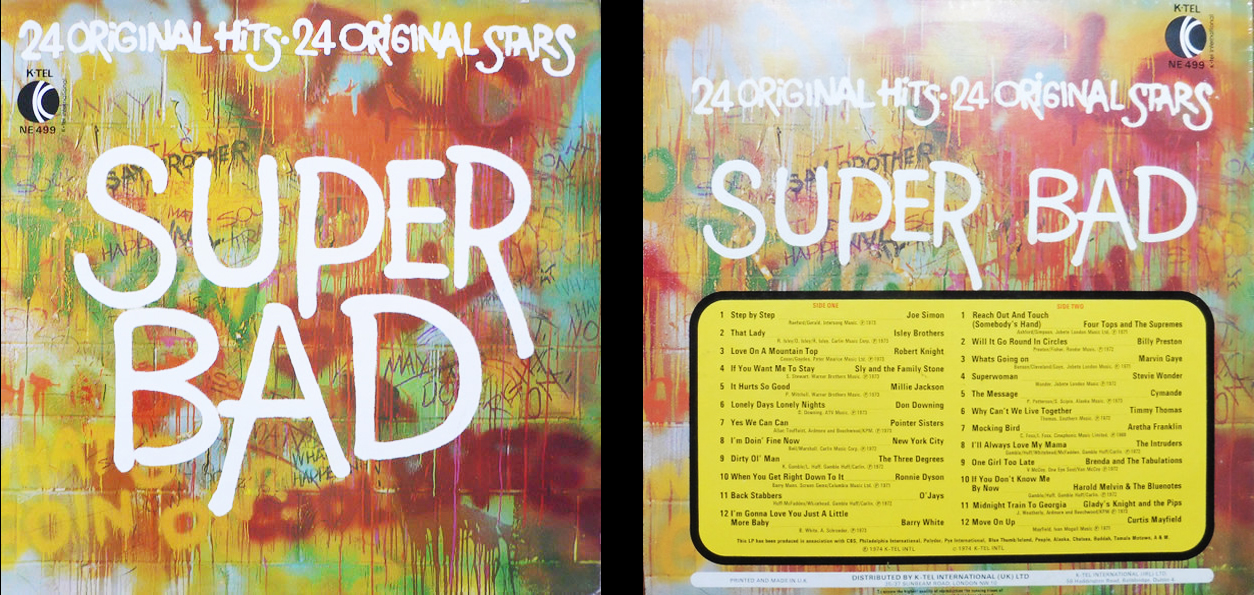
In this esteemed company were Cymande with ‘The Message’. My natural assumption was that, like all the other artists on the comp, they were American. Sandwiched between Stevie Wonder’s strange and somewhat ethereal ‘Superwoman’, and ‘Why Can’t We Live Together’, the Timmy Thomas plea for peace and unity (with its utilisation of an early rhythm box), ‘The Message’, with its own unique rhythmic fusion, fitted in perfectly, and was soon one of my favourites on the compilation. It was a big surprise, some years later, when I learned they weren’t American, but from Brixton and Balham in South London.
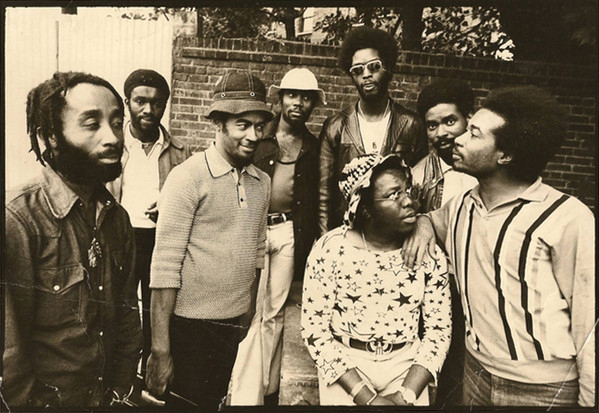
Many people in New York didn’t realise they were British either, but Cymande’s music lived on, and was destined to re-surface in a way nobody could have imagined back then. DJ Kool Herc, with hip-hop in embryo, zoomed in on the break of ‘Bra’ at his Bronx block party gatherings, whilst in the downtown discotheques of NYC the track was cherished by all the leading DJs, David Mancuso and Nicky Siano included.
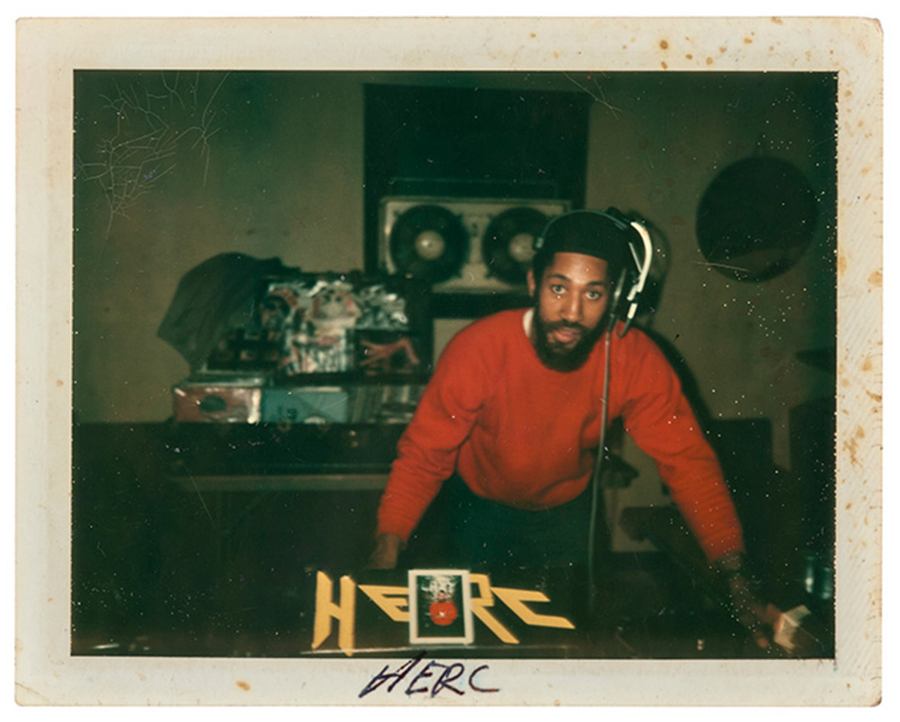 Kool Herc
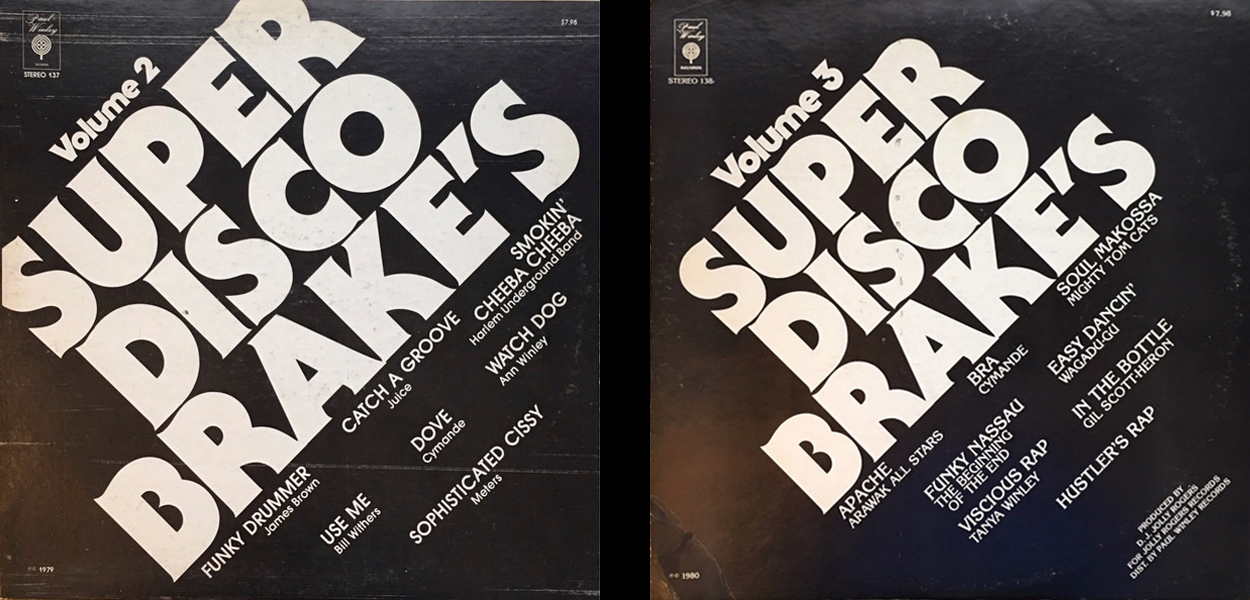
Towards the end of the decade, Paul Winley Records, with its underground hip-hop credentials, and unofficial ethos, pressed-up ‘Bra’ on 12” for the first time, providing the perfect format for cut and scratch DJs, then multiplying at pace. Both ‘Bra’ and ‘Dove’ also featured as part of Winley’s seminal ‘Super Disco Brake’s’ series.

However, Winley left a sour taste when, in 1981, they put out a fourth Cymande album in the US, ‘Arrival’, which was but a pale reflection of the band’s previous output. It was, sadly, that diluted sound they’d strove to eschew when they started out, and is nowadays dismissed as an anomaly – only Patterson, Scipio and drummer Sam Kelly from the original line-up are credited with contributing.

It was in the mid-‘80s that Cymande finally began to receive that well-overdue attention at home, via the funk-finding rare groove scene in London, synonymous with DJ Norman Jay, and where ‘Brothers On The Slide’ became a belated cult-classic.
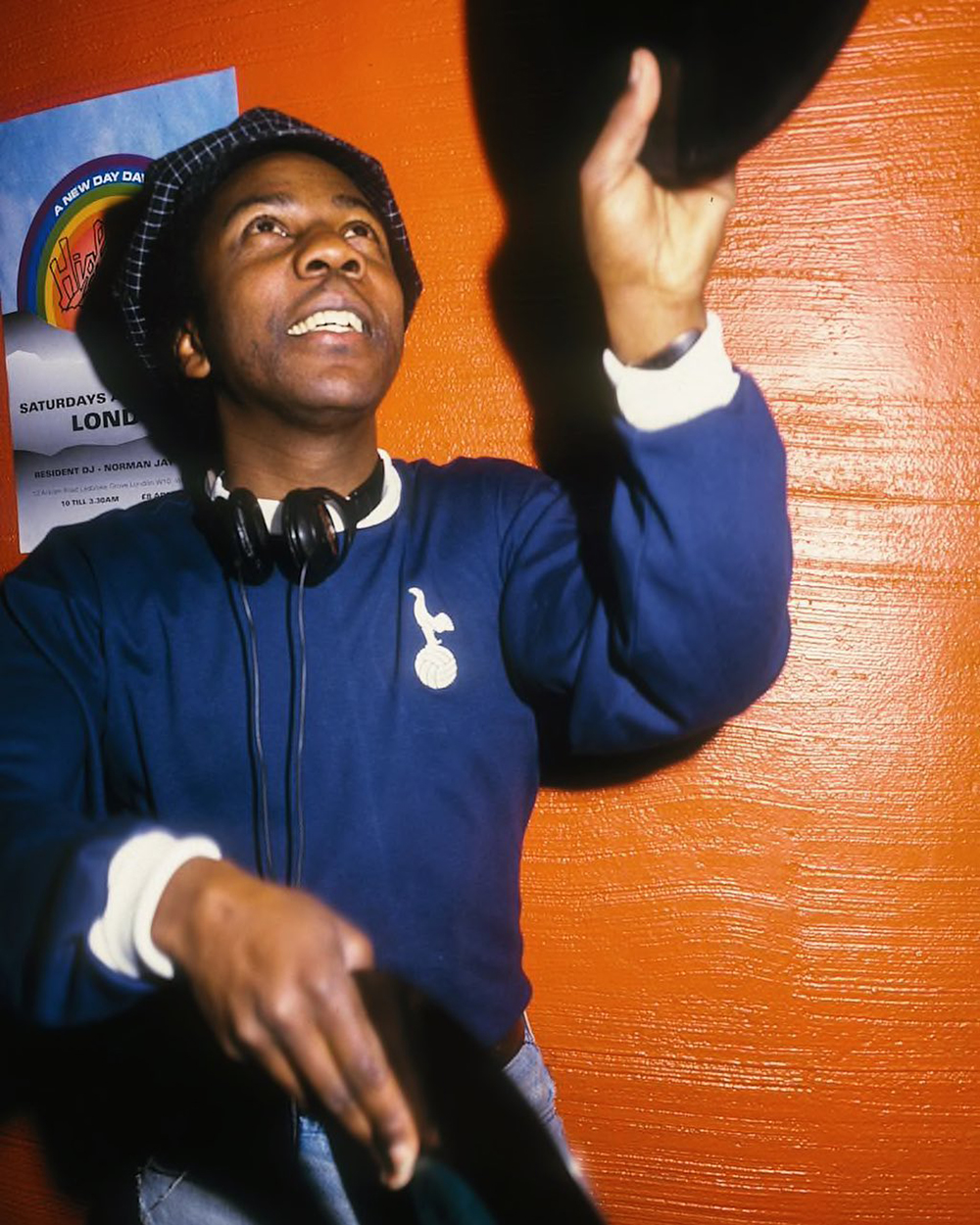 Norman Jay
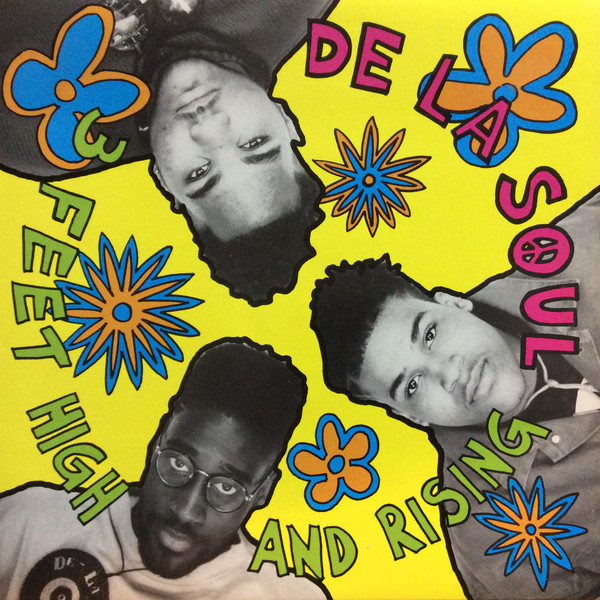
A major gamechanger came along in 1989, when De La Soul sampled ‘Bra’ on ‘Change In Speak’, from their zeitgeist hip-hop LP, ‘Three Feet High And Rising’. ‘Bra’ had previously been sampled in the years leading up to this, but the De La Soul album blew up internationally, providing a major landmark for hip-hop, with people obsessing over where the samples could be sourced.
At this very point, I was managing and producing Manchester hip-hop crew, the Ruthless Rap Assassins. We’d signed a deal with EMI, and were recording their first album. The crew was made up of Kermit (Leveridge), later of Black Grape, plus brothers, Anderson and Carson Hinds.
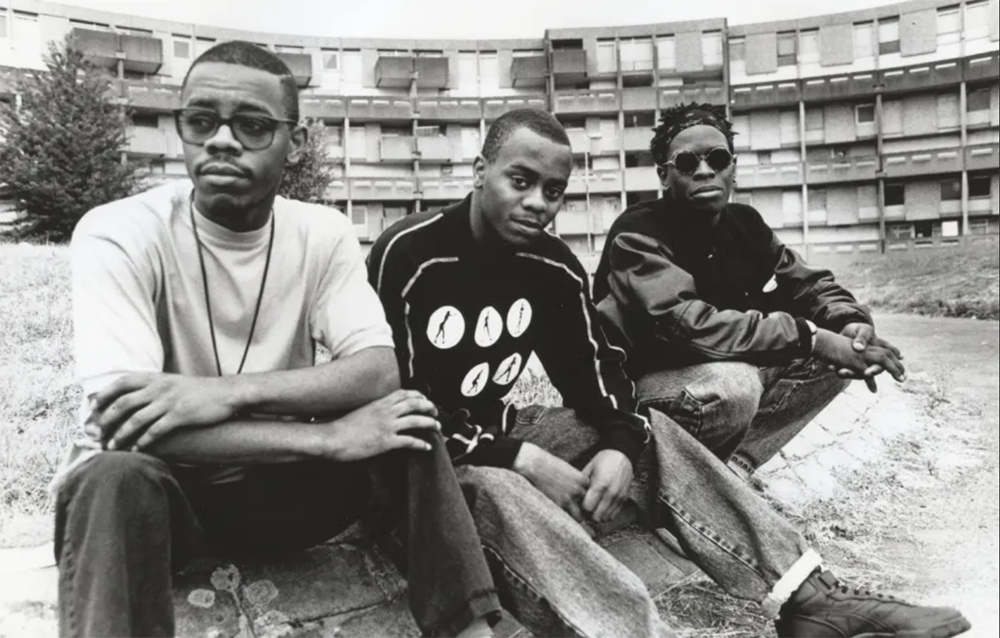 Ruthless Rap Assassins
Zer-o’s ‘Real Time’, one of the tracks I worked on for 1984’s ‘Street Sounds UK Electro’ album, took its bassline cue from ‘Bra’, but my biggest connection with Cymande was via 1990’s ‘And It Wasn’t A Dream’, the most beloved Rap Assassins offering.
It was the last track recorded for their 1990 ‘Killer Album’, and it so nearly didn’t make the cut. It was only because, right at the end of the studio sessions, when I went to pick them up in the morning, Carson, who was never first out, was straight to my car, telling me, with some sense of urgency, to come in, because Anderson had written a rap “about our parents”. Anderson had been reluctant to put the track forward, given the personal nature of the lyrics, but Carson had taken the matter into his own hands, and brought me in for back-up. Anderson rapped over a loop that I instantly recognised as ‘The Message’. This was no accident, as he was well aware that the band who made this record were, like his parents, West Indian immigrants, the sample inspiring a heartfelt and cathartic ode to the broken dreams of a generation.

Although the press acclaimed them, the radio didn’t play them, and the crew found themselves, like Cymande had previously experienced here, unfortunately ahead of the times. After two albums they disbanded.
It was a nice touch, in 2006, when the quintessential Englishness of ‘And It Wasn’t A Dream’ was recognized by Mojo Magazine in naming it as one of ‘The 50 Greatest British Tracks Ever’, alongside classics including The Beatles ‘Penny Lane’, Small Faces ‘Itchycoo Park’, Sex Pistols ‘God Save The Queen’, Kate Bush ‘Wuthering Heights’, The Specials ‘Ghost Town’ and Pulp ‘Common People’.
To be ahead of the curve is both blessing and curse. Had Cymande’s music been released towards the end, rather than the beginning of the ‘70s, they’d have certainly been embraced on the flourishing UK jazz-funk scene, which had begun to emerge not long after their demise. However, that was a forward looking scene, where it was all about the latest imports – instead, their music finally gained reverence here via the retrospective rare groove movement.
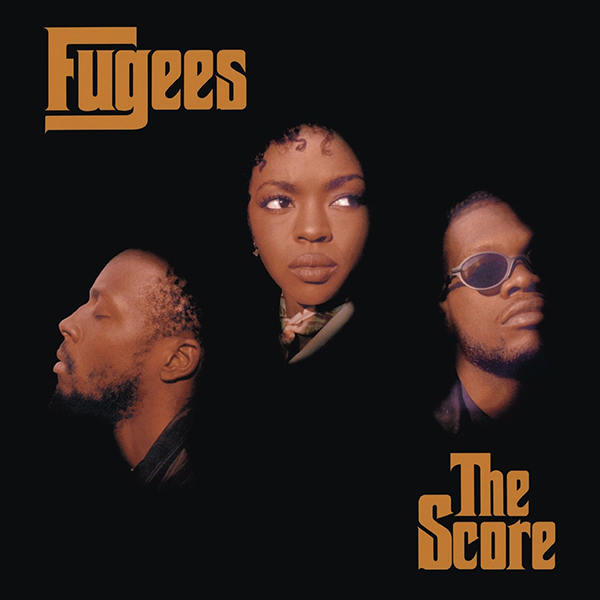
In 1996, the title track of The Fugees Grammy winning album, ‘The Score’, sampled ‘Dove’, highlighting Cymande to a new wave of record diggers, their music continuing to transcend eras. Then the internet came along and accelerated this whole process of re-discovery.
That it took such a long passage of time before Cymande’s greatness was acknowledged, and then, only because hip-hop and rare groove had intervened to keep their flame alight, seems somewhat criminal now, from our 21st century vantage point – their music nowadays freely available on platforms like Spotify, where their tracks have stacked up plays in the multi-millions.

2015 saw a fully-fledged comeback, with the release of a new album, ‘A Simple Act Of Faith’, produced, once again, by Schroeder, who died in 2017, aware that the band he had so much faith in are now loved by so many. No longer a hidden gem, Cymande have been rightly re-defined a British treasure – this documentary film the final step in their remarkable renaissance.
‘The arc of the moral universe is long but it bends toward justice’ – MLK.
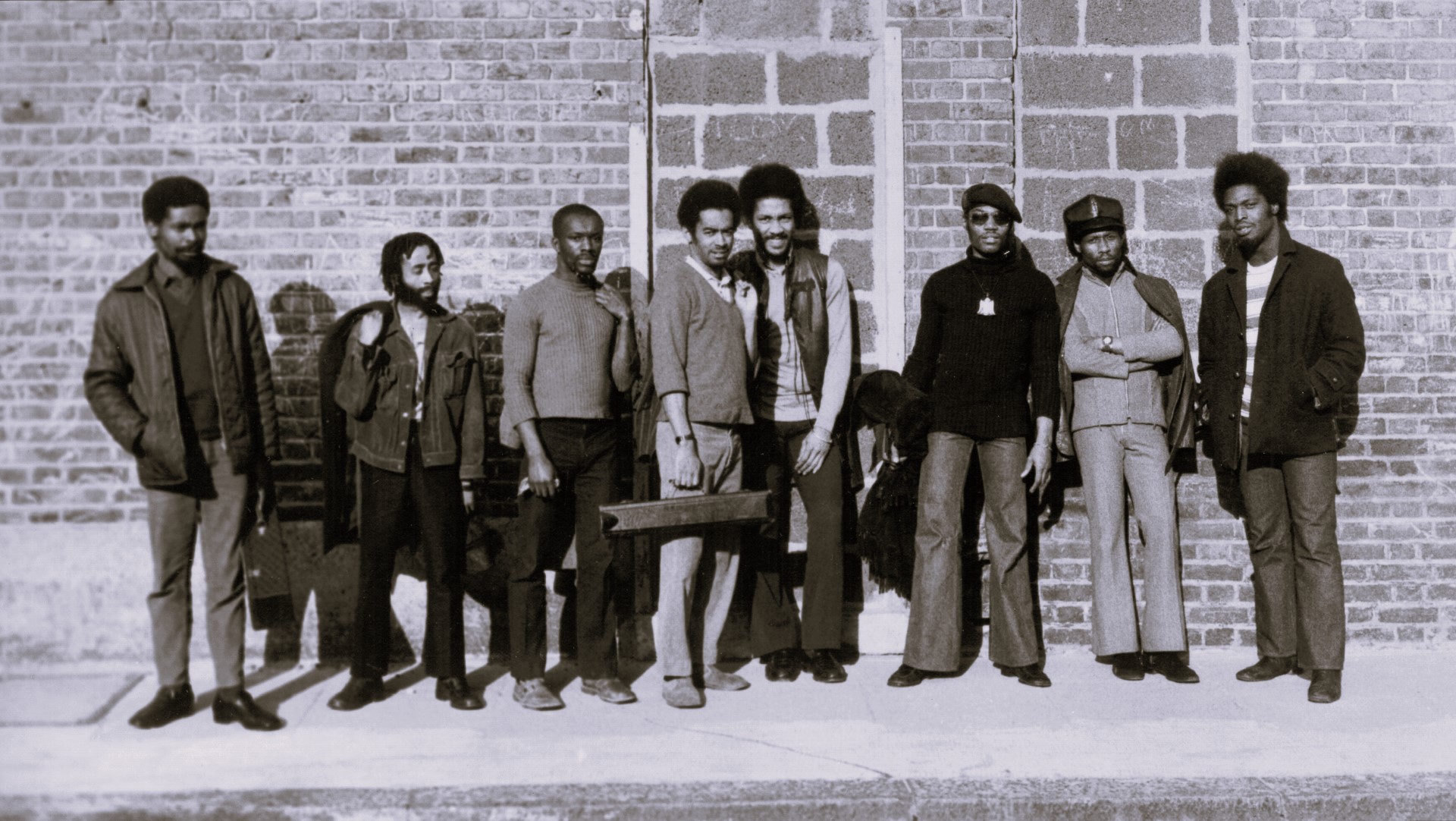
WRITTEN BY GREG WILSON FOR THE BOOKLET OF THE 2024 BLU-RAY RELEASE, ‘GETTING IT BACK – THE STORY OF CYMANDE’.
© Greg Wilson, 2024

